Stay up to date with the latest news from the North Carolina Marine & Estuary Foundation, including project updates, coastal insights, and organizational milestones!
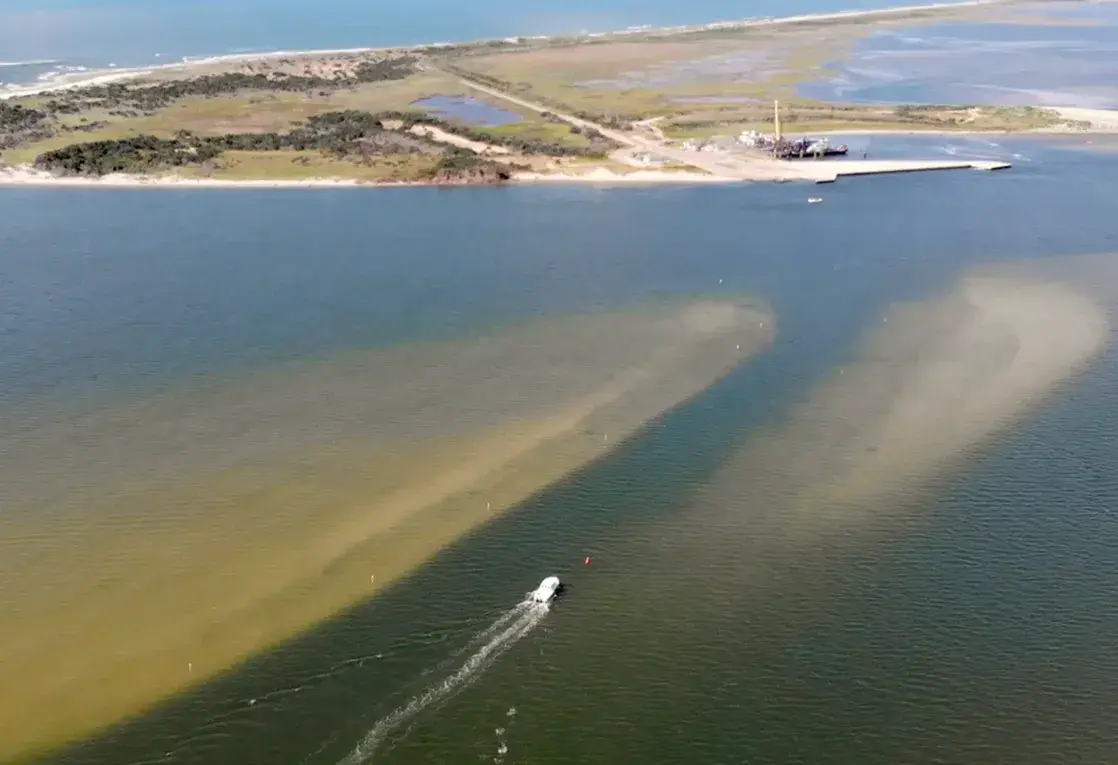
In the heart of Wilmington, Hewletts Creek and neighboring Bradley Creek are among the city’s most valuable natural resources. Yet for more than fifty years, both creeks have remained closed to shellfish harvest due to elevated fecal coliform levels. A brand new initiative aims to change that.
How many fish are actually out there? Here's how scientists piece together the answer, how that science drives management decisions, and how FINDEX turns it all into something anyone can understand at a glance.
This Independence Day, families across North Carolina celebrated 250 years the same way generations before them did by getting on the water. As we look toward America's 300th birthday, we're asking what it will take to make sure the next generation inherits the same rivers, sounds, and traditions we did.
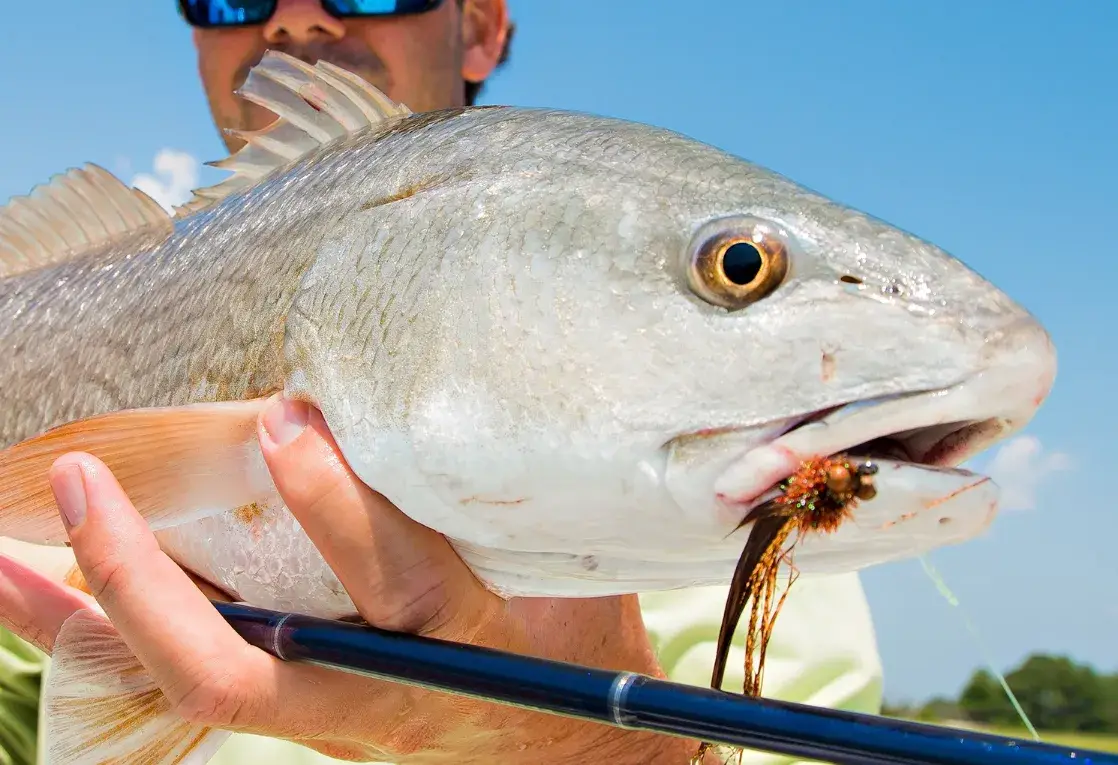
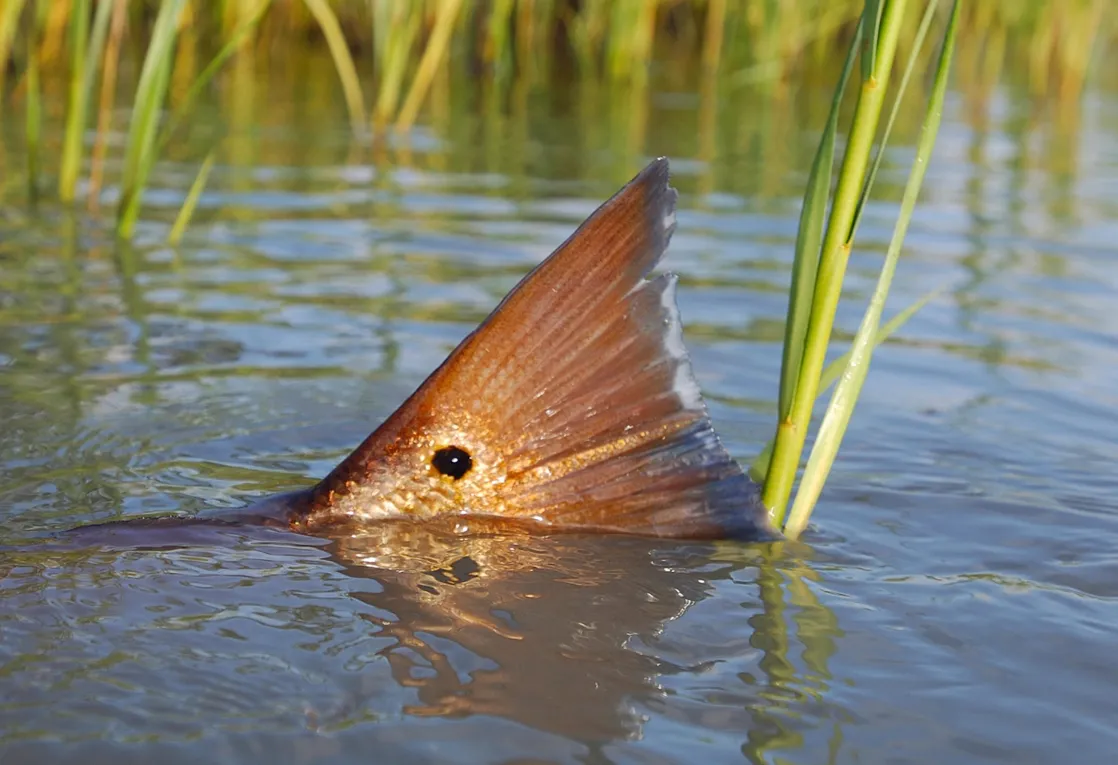
Two independent stock assessments reached the same conclusion: South Carolina’s red drum population has declined. New regulations go into effect July 1 in an effort to reverse the trend.
In the late 1980s, weakfish ruled inshore North Carolina. Since then, combined recreational and commercial harvest has declined more than 98%. What happened to this once-abundant fishery, and what does recent data suggest about the chance of recovery?
If you've ever heard a low, rhythmic thrumming under your quiet boat, chances are it came from a fish in the Sciaenidae family. Discover why drums make that sound and what it might mean for fisheries management.
Every blue crab in North Carolina depends on a journey most will never survive. This three-part series covers the biology, economy, and management challenges that define one of our most iconic fisheries.
The larval stage is the most dangerous stretch of a fish's life. Find out how larvae travel, what determines their survival odds, and why more really is merrier.
Each year, fish find their way home using navigation, memory, and site fidelity. This consistency plays an important role in fisheries management decisions.
Building on our 2025 efforts, Foundation and Division staff aim to tag 25 adult red drum along the North Carolina coast this summer and fall. This includes further developing our tracking platform.
Oysters have shaped our estuaries for centuries. This five-part series explores their life cycle, harvesting methods, economic trends, and their connection to water quality.
Sheepshead have quietly become one of North Carolina's most popular inshore targets, but with that comes new regulations intended to bolster the population.
Not only do the satellite tags used in our red drum tracking project tell us where a fish has been, but they also tell the whole story using two distinct data streams. Learn about the difference between opportunistic pings and the pop up dataset.
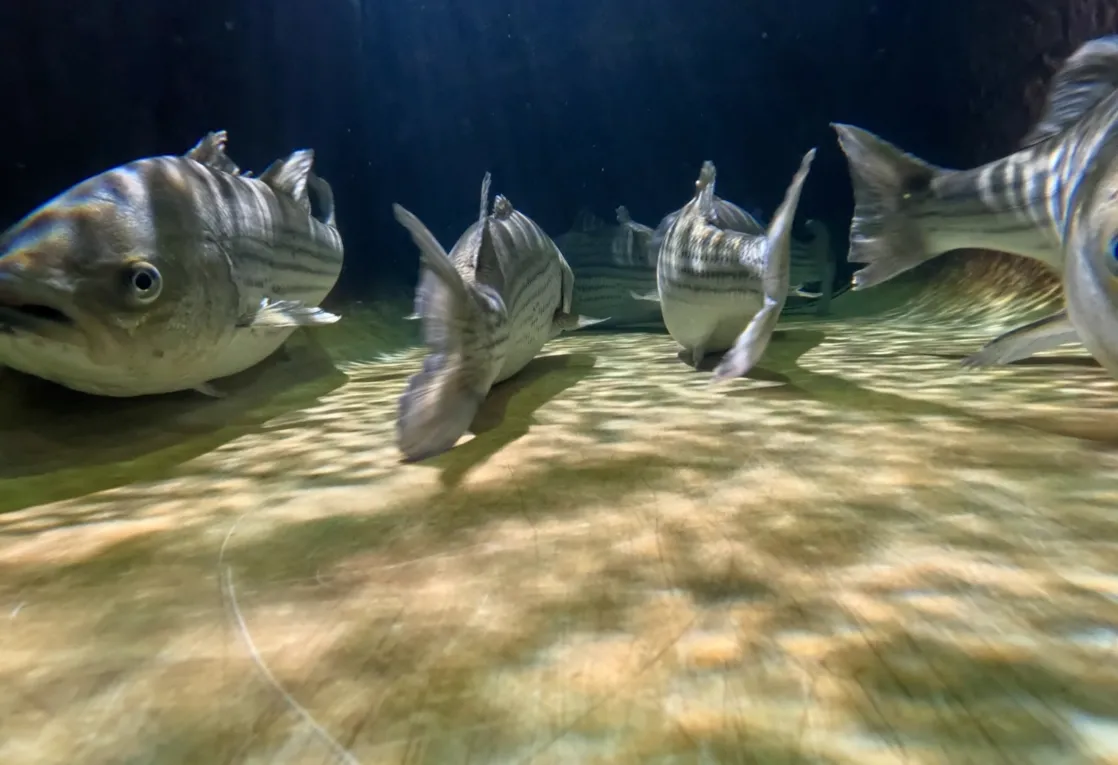
Following aggressive striped bass stocking efforts in the Roanoke River, Albemarle Sound, and Cape Fear River over the past few years, hatcheries are shifting gears to the Neuse and Tar rivers for 2026 stocking initiatives. The Foundation is pleased to once again provide financial support.
Our Foundation has unveiled a new interactive tracking platform for adult red drum tagged along the North Carolina coast. Visit the tracking platform to see where they go!
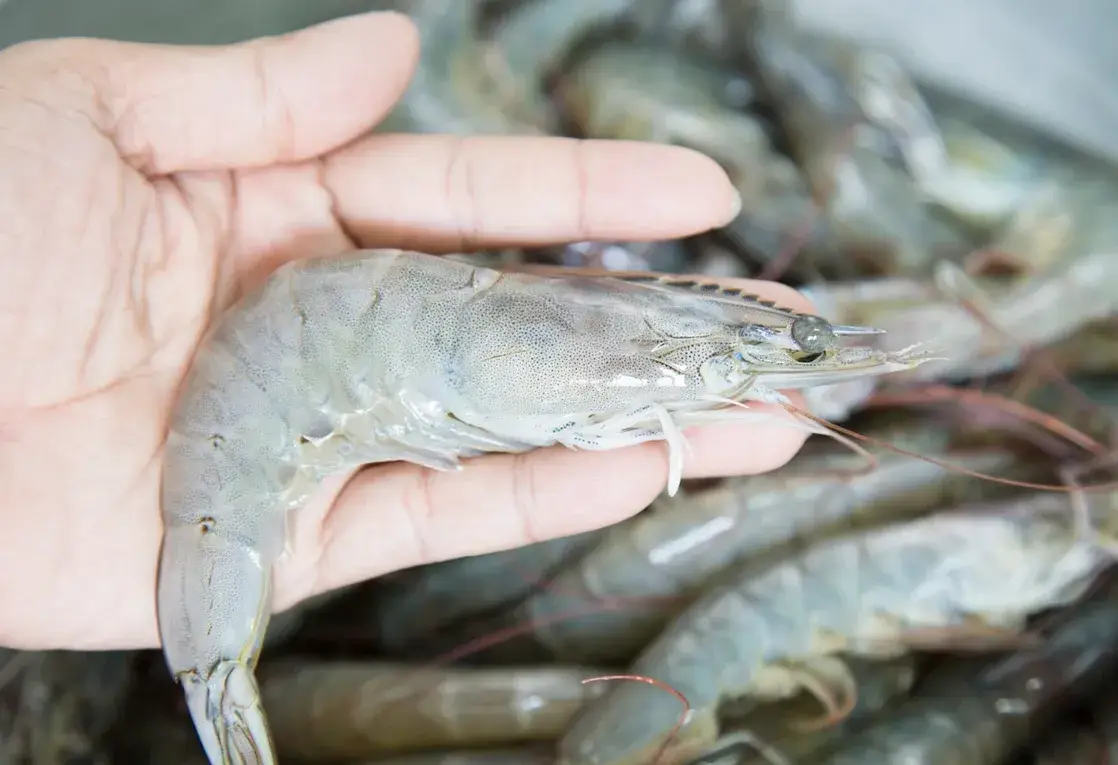
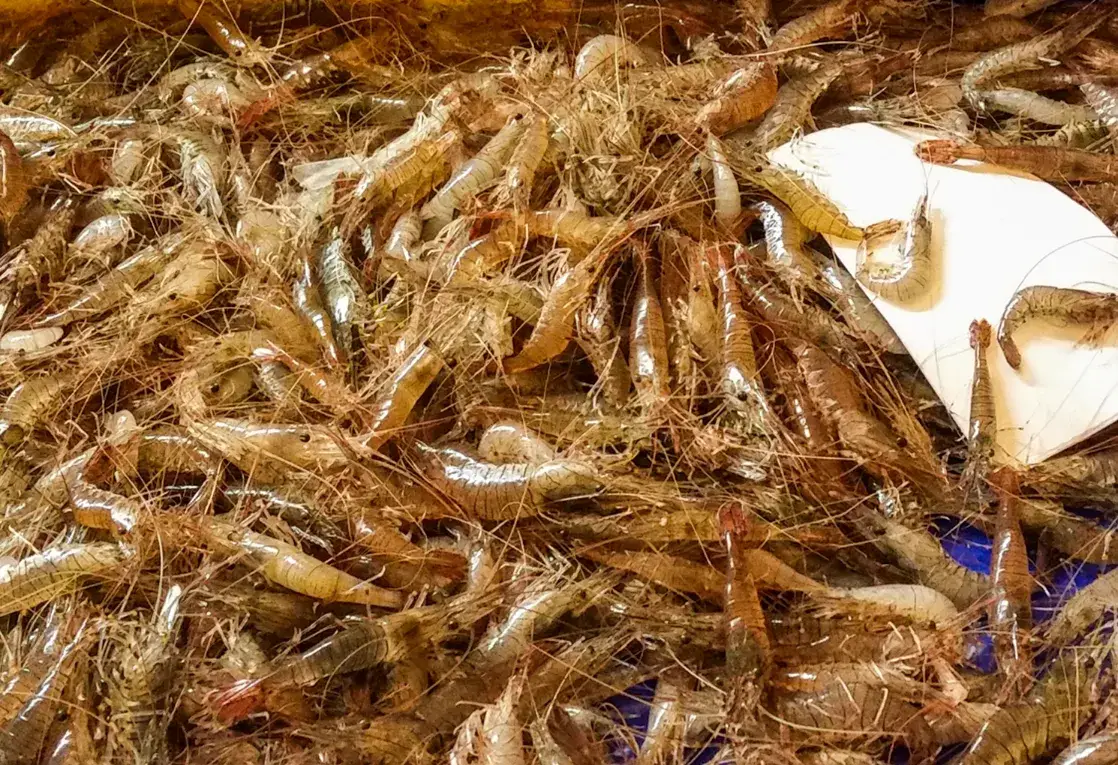
Dive into South Carolina's commercial and recreational shrimp fishery as we explain season trends, management habitats, state-mandated regulations, and the General Trawling Zone.